

How to Make Barista-Quality Coffee at Home (Busselton Edition)
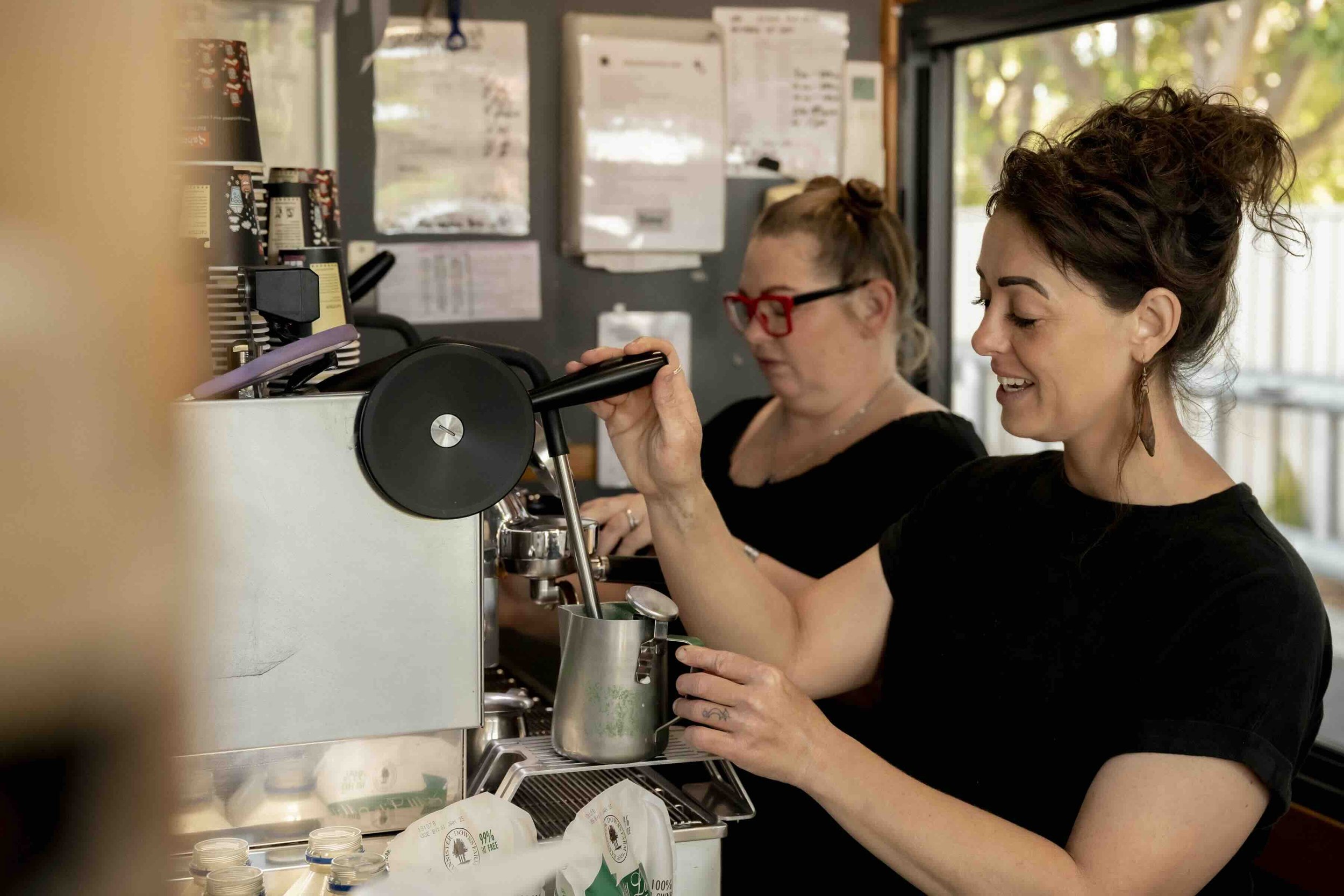
You've just grabbed your morning flat white from Brew Plus on Bussell Highway, enjoyed that perfect Yahava espresso, and thought, "I wish I could make coffee this good at home." The truth is, learning how to make barista quality coffee at home is easier than most people think. You don't need a $3,000 espresso machine or years of barista training. What you do need is great beans, the right grind, good water, and a few simple techniques that anyone can master.
Brew Plus is Busselton's favourite liquor and coffee drive-thru, serving Yahava coffee from 6:30am on weekdays and 7:30am on Saturdays. The experienced baristas there are always happy to share tips about beans and brewing, whether you're grabbing a quick coffee on the way to work or stocking up on drinks for the weekend.
In this guide, we'll walk you through the five steps to café-style coffee at home, from choosing beans to steaming milk, with practical advice that works for beginners and coffee enthusiasts alike.
What "Barista-Quality" Coffee Really Means at Home
When we talk about barista-quality coffee, we're not talking about perfect latte art or Instagram-worthy foam designs. We're talking about balanced flavour, proper temperature, and the right strength. It's about coffee that tastes as good as what you'd get from a skilled barista, made with care and consistency.
The core elements are surprisingly simple. Fresh, quality beans from local roasters like Yahava give you the foundation. A burr grinder ensures consistent particle size, which affects extraction. The correct coffee-to-water ratio prevents your brew from being too weak or too strong. And good water quality plus proper temperature brings everything together.
You don't need to master everything at once. Start with one or two improvements, like switching to whole beans and grinding fresh, and you'll immediately notice better flavour. The local Busselton coffee and bottle shop is a great place to talk beans and brewing with actual baristas who can guide you based on what you already enjoy.
The beauty of home brewing is that once you understand the fundamentals, you can apply them to any method, whether that's French press, pour-over, moka pot, or espresso.
Step 1: Start with the Right Beans & Storage
Everything starts with the beans. Coffee is an agricultural product, and like any fresh ingredient, it has a shelf life. Freshly roasted beans deliver the best aroma, complexity, and flavour. Once coffee is ground, those qualities fade quickly, which is why whole beans paired with a grinder represent the single biggest upgrade most home brewers can make.
Whole Beans vs Pre-Ground
If you're currently using pre-ground coffee, switching to whole beans will transform your morning cup. Grinding just before brewing preserves the aromatic oils and compounds that give coffee its character. If you're not ready to invest in a grinder yet, buy smaller amounts of pre-ground coffee more often to keep it as fresh as possible.
Storage Basics
Store your beans in a cool, dark place in an airtight container. Avoid the fridge or freezer unless you're following specific guidance from your roaster. Moisture and temperature fluctuations can damage the beans and affect flavour. A pantry cupboard away from heat sources is ideal.
Local Tip: Yahava Coffee
Yahava is a respected Margaret River roaster known for quality beans, and it's what Brew Plus uses for their drive-thru coffee. When you're choosing beans at home, look for roasters like Yahava who date their bags and focus on freshness. If you're not sure which beans suit your taste, ask the baristas at Brew Plus what they're loving at the moment. They'll steer you toward something that matches your flavour preferences.
Step 2: Nail Your Grind, Ratio and Water (The Big 3)
Once you have great beans, three factors determine whether your coffee will taste amazing or disappointing. Get these right, and you're 90% of the way to café-quality results.
Grind Size
Different brewing methods need different grind sizes. French press works best with coarse grinds (think sea salt texture). Pour-over needs medium-coarse. Espresso and moka pot require fine grinds. If your grind is wrong for your method, you'll either under-extract (sour, weak coffee) or over-extract (bitter, harsh coffee).
Invest in a burr grinder rather than a blade grinder. Burr grinders produce consistent particle sizes, which means even extraction and better-tasting coffee. Blade grinders chop randomly, creating a mix of fine dust and large chunks that brew unevenly.
Coffee-to-Water Ratio
This is where a small kitchen scale becomes your best friend. Measuring by scoops is inconsistent, but weighing your coffee and water gives you repeatable results.
A good starting ratio for most filter methods (French press, pour-over) is around 1:15 to 1:16. That means 20 grams of coffee to 300-320 grams (or millilitres) of water. For stronger styles like moka pot or espresso, you'll use less water relative to coffee.
Start with these ratios and adjust to taste. If your coffee is too weak, increase the coffee or decrease the water slightly. If it's too strong, do the opposite. The key is to change one variable at a time so you know what's working.
Water Quality & Temperature
Coffee is mostly water, so water quality matters. If your tap water tastes chlorinated or metallic, use filtered water. You'll immediately notice cleaner, brighter flavours.
The ideal brewing temperature is around 92-96°C, just off the boil. Boiling water can scorch the coffee and create bitterness. Letting the kettle sit for 30 seconds after boiling usually gets you into the right range.
Once you've learned these three fundamentals, you can apply them to any brew method and get consistent, delicious results.
Step 3: Choose Your Brew Method (With or Without a Machine)
There are dozens of ways to brew coffee, but these four methods are accessible, forgiving, and produce excellent results at home.
French Press: Bold & Low-Fuss
The French press is perfect for beginners and anyone who wants a full-bodied, rich cup without fiddly technique. It's also great for brewing multiple cups at once.
How to do it:
Use a coarse grind
Add coffee and hot water at a 1:15 ratio
Stir gently, then let it steep for 4 minutes
Press the plunger down slowly and pour immediately
French press coffee has more body and texture than filter methods because the metal mesh lets natural oils through. If you like bold, full-flavoured coffee, this is a great starting point.
Pour-Over: Clean and Café-Style
Pour-over (using a V60, Chemex, or similar dripper) produces clean, aromatic coffee with clarity and complexity. It takes a bit more attention than French press, but the results are worth it.
How to do it:
Use a medium-coarse grind
Rinse the paper filter with hot water first (this removes paper taste and preheats the dripper)
Add coffee, then pour just enough water to saturate the grounds (called the "bloom"). Wait 30 seconds
Pour the rest of the water in slow, circular motions, keeping the water level consistent
Total brew time should be around 2.5 to 3.5 minutes
Pour-over highlights the nuanced flavours in your beans. It's the method many specialty cafés use for single-origin coffees.
Moka Pot: Espresso-Style Without the Machine
The moka pot (sometimes called a stovetop espresso maker) produces strong, concentrated coffee that's perfect for flat whites, cappuccinos, or drinking straight. It's a staple in Italian homes and increasingly popular in Australia.
How to do it:
Fill the bottom chamber with hot water up to the valve
Add finely ground coffee to the filter basket (don't tamp it down)
Assemble the pot and place it on medium-low heat
Remove from heat when the top chamber is about three-quarters full
The key is gentle heat. High heat creates bitter, burnt-tasting coffee. When done right, moka pot coffee is rich and flavourful with a slight syrupy texture.
Home Espresso Machine: Level Up Your Latte
If you've invested in a home espresso machine, the principles are similar to professional setups, just on a smaller scale. The most important factors are grind size, dose, and milk technique.
Basic espresso baseline:
Dose 18-20 grams of finely ground coffee into the portafilter
Extract 36-40 grams of liquid in 25-30 seconds (a 1:2 ratio)
Adjust grind finer if it's too fast and sour, coarser if it's too slow and bitter
You don't need competition-level precision. Aim for consistency and adjust based on taste. If your espresso tastes good and your milk is properly textured, you're making barista-quality coffee.
If you're not sure which method suits your lifestyle, start with French press or pour-over. They give big flavour with minimal gear and are very forgiving as you learn.
Step 4: Steaming Milk & Simple Latte Art at Home
If you love flat whites, lattes, and cappuccinos, learning to texture milk is the final piece of the puzzle. The goal is smooth, glossy microfoam, not stiff, bubbly froth.
What is Microfoam?
Microfoam is milk that's been heated and aerated to create tiny, silky bubbles distributed evenly throughout. It should look glossy and pour like paint. This is what gives café-style milk drinks their smooth, velvety texture.
If Using an Espresso Machine Steam Wand:
Start with cold milk in a stainless steel jug (filled about one-third full to allow room for expansion). Position the steam wand tip just below the surface and turn on the steam. For the first few seconds, introduce air by keeping the tip near the surface (you'll hear a light hissing sound). This is called the "stretching" phase.
Once you've added enough air (the milk should increase in volume by about a third), lower the tip slightly to create a whirlpool. This incorporates the bubbles and heats the milk evenly. Stop steaming when the jug is too hot to hold comfortably (around 60-65°C).
Tap the jug on the counter a few times to remove large bubbles, then swirl the milk gently. It should have a glossy, wet-paint appearance.
If You Don't Have a Steam Wand:
You can still make hot, textured milk. Heat milk gently on the stovetop (don't let it boil), then use a handheld milk frother to create foam. Alternatively, heat milk and use a French press plunger to aerate it. These methods won't create café-perfect microfoam, but they'll give you a decent result for home use.
Simple Latte Art (or Not)
Don't stress about latte art. Even baristas took months to master hearts and rosettas. Instead, aim for a smooth, white circle in the centre of your cup. If you get that, you've textured your milk correctly. The art will come with practice.
Remember, the coffee you get at Brew Plus is made with properly textured milk and Yahava beans by experienced baristas. If you're grabbing your morning drive-thru coffee, ask them for tips on milk steaming. They're always happy to share what works.
Step 5: Build a Simple Coffee Ritual (and Fix Common Problems)
Making great coffee at home isn't about perfection. It's about consistency and small improvements over time. Building a simple daily ritual helps you dial in your technique without overthinking it.
A Simple Daily Routine
Your routine might look like this: Weigh your beans, grind fresh, brew using your chosen method, then taste and evaluate. If something's off, tweak one variable next time. Maybe you grind a bit finer, adjust the ratio slightly, or change your water temperature. Small adjustments add up to big improvements.
The key is changing one thing at a time. If you adjust grind, ratio, and water temperature all at once, you won't know which change made the difference.
Quick Troubleshooting
Coffee tastes sour or sharp? Grind finer or brew a bit longer. You're under-extracting.
Coffee tastes bitter or harsh? Grind coarser or reduce brew time. You're over-extracting.
Coffee is weak or watery? Use more coffee or grind finer.
Coffee is too strong or overpowering? Grind slightly coarser or add more water.
If you're stuck, chat to the Brew Plus team about what you're tasting. They love talking coffee almost as much as they love drinking it, and they can help you troubleshoot based on your specific setup.
From Home Brews to Big Occasions: Coffee & Drinks in Busselton
Brew Plus is more than just a drive-thru coffee stop, although the Yahava espresso and early opening hours (6:30am weekdays, 7:30am Saturdays) make it a local favourite for busy mornings. It's also an award-winning independent bottle shop with a strong focus on local products and community support.
When you move from making coffee at home to hosting brunches, BBQs, or celebrations, Brew Plus can help with the drinks side of your event. They offer wedding and event drinks delivery in Busselton, including wine, beer, cider, and spirits, plus glassware, ice, tubs, and returns on unopened cases of wine and beer.
Whether you're perfecting your home espresso or planning a get-together with friends, Brew Plus is your local for both coffee expertise and event drinks planning. It's a one-stop shop that understands Busselton's food and drink culture.
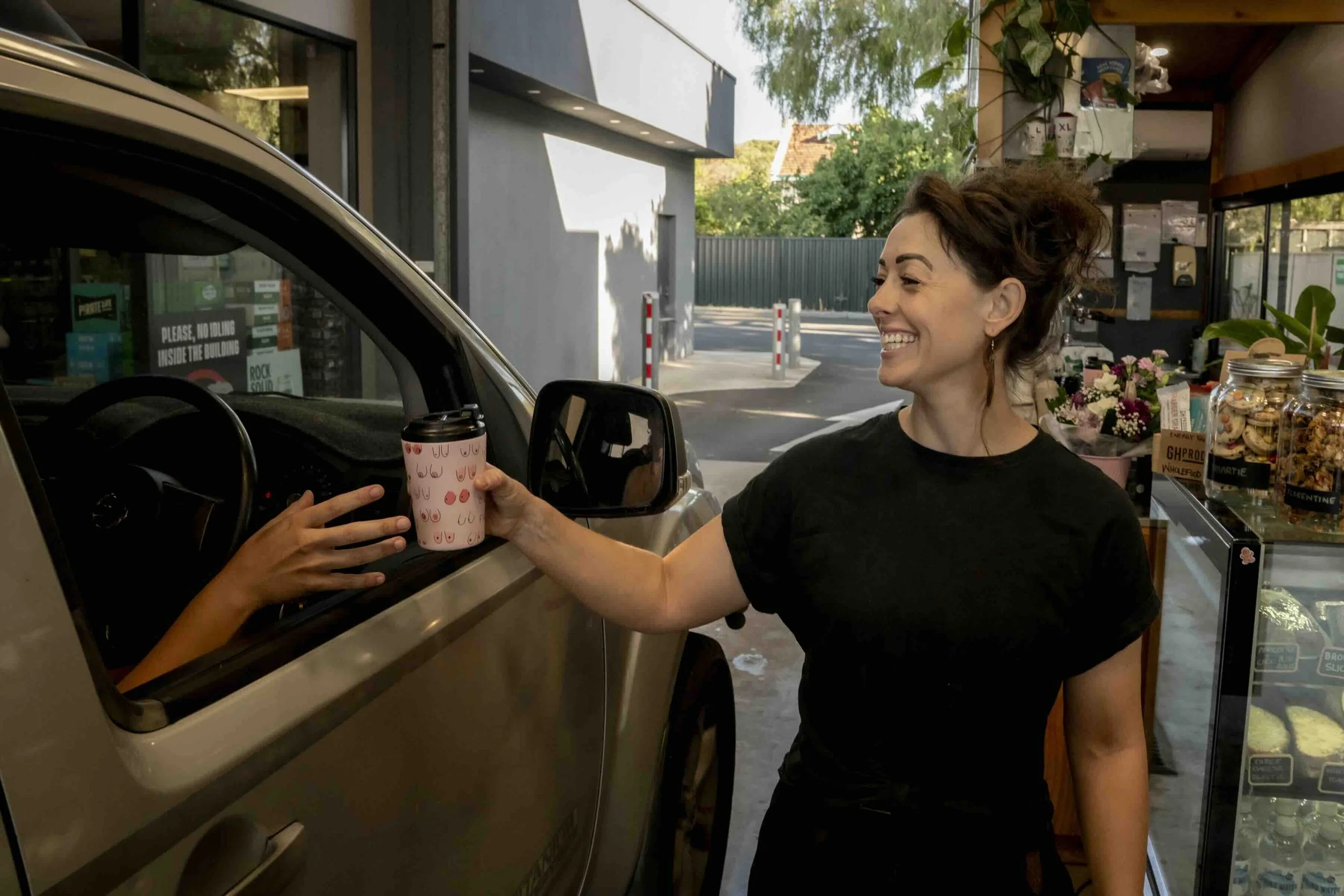
How to Get Personalised Coffee Advice in Busselton
Making barista-quality coffee at home comes down to four things: great beans, good grind, the right ratio, and proper water. Master those, and you'll brew café-style coffee in your own kitchen. Add milk-texturing skills, and you can make flat whites and lattes that rival your favourite coffee shop.
The local advantage in Busselton is real. Yahava beans from a respected Margaret River roaster, experienced baristas at Brew Plus who are happy to share advice, and early-morning drive-thru convenience all make it easier to improve your home brewing. You can taste what good coffee should be, ask questions, and pick up beans without leaving town.
Whether you're looking to chat with baristas about beans and brew methods, pick up coffee on the go, or ask for advice on drinks for upcoming gatherings and events, Brew Plus is ready to help.
Drop into our Busselton drive-thru for a Yahava coffee and chat with our baristas about brewing better at home. Have a question about beans or brewing? Contact our Busselton team and we'll point you in the right direction. Planning a brunch, BBQ, or wedding in Busselton? Get in touch and we'll help you plan both your coffee and your drinks list.
FAQs: Making Barista-Quality Coffee at Home
What is the easiest way to make barista-style coffee at home?
French press and pour-over are the easiest methods for beginners. French press is low-fuss and forgiving, while pour-over gives you clean, café-style results with just a little more attention. Both methods require minimal equipment (just a grinder, beans, and the brewer itself) and produce excellent coffee when you follow basic ratios and techniques.
Do I need an expensive machine to make good coffee at home?
No. A quality grinder, fresh beans, and good technique matter far more than an expensive espresso machine. You can make outstanding coffee with a $30 French press or pour-over setup if you're using fresh beans, the right grind size, and proper ratios. Even with a home espresso machine, grind quality and technique determine the result more than the machine's price tag.
What coffee-to-water ratio should I use?
Start with a ratio of around 1:15 to 1:16 for most filter methods (French press, pour-over). That means 20 grams of coffee to 300-320 grams of water. This gives you a balanced, medium-strength brew. Adjust from there based on your taste. If you prefer stronger coffee, increase the coffee slightly or reduce the water. For weaker coffee, do the opposite.
How can I make my coffee taste less bitter or sour?
Bitter coffee usually means over-extraction. Try grinding coarser, using slightly less coffee, or reducing brew time. Sour coffee means under-extraction. Grind finer, use more coffee, or brew a bit longer. Water temperature also matters. Too hot creates bitterness, too cool creates sourness. Aim for water just off the boil (around 92-96°C).
Where can I get barista-made coffee and brewing advice in Busselton?
Brew Plus on Bussell Highway serves Yahava coffee from their drive-thru, with experienced baristas available from 6:30am weekdays and 7:30am Saturdays. The team is always happy to answer questions about beans, brewing methods, and equipment. Whether you're grabbing a morning coffee or want specific advice, drop in or contact the team for personalised recommendations.
