

Decoding Whisky Labels: What Do Those Terms Really Mean?
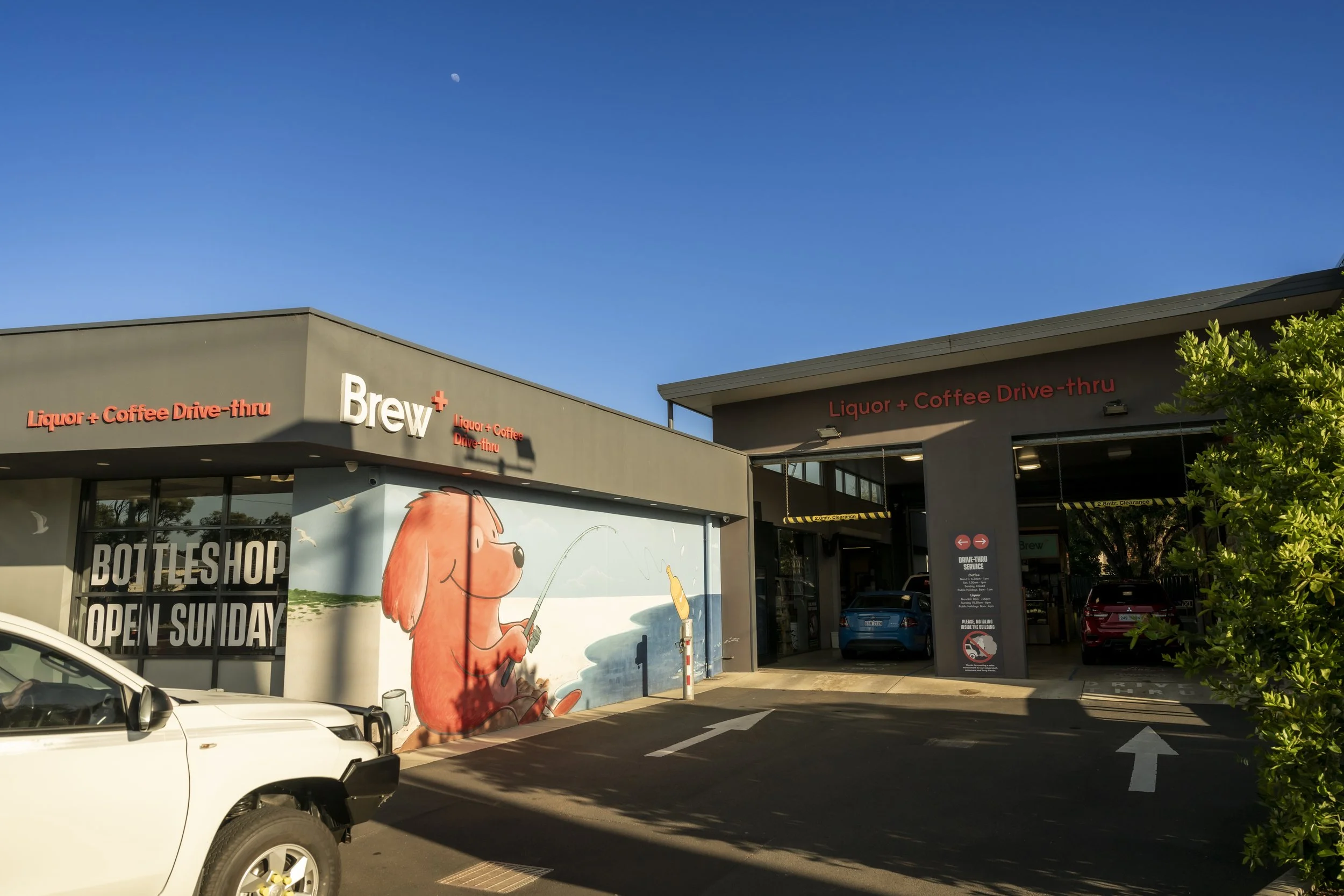
You're standing in Brew Plus in Busselton, scanning shelves lined with Scotch, Irish, Japanese, and Australian whisky. One bottle says "single malt," another claims "cask strength," and yet another mentions "non-chill filtered" and "NAS." If you're wondering how to read a whisky label without feeling like you need a degree in distilling, you're not alone. The good news? Once you understand a handful of key terms, whisky labels transform from confusing jargon into a helpful roadmap to flavour.
Brew Plus has been Busselton's favourite local liquor store since 1999, offering a strong range of spirits including Australian-made whisky alongside major international labels. The team knows that whisky labels can be intimidating, which is why they're always ready to translate the terminology into plain English and help you choose the right bottle.
This guide breaks down the most common whisky label terms you'll encounter, from age statements and single malts to cask strength and non-chill filtered. By the end, you'll be able to walk into any Busselton bottle shop and pick a whisky with confidence.
Why Decoding Whisky Labels Matters (Especially in Busselton)
Whisky shelves today are more diverse than ever. You'll find Scotch, Irish, American bourbon and rye, Japanese whisky, and a growing number of Australian craft distilleries producing world-class single malts. This variety is exciting, but it also means more complexity when it comes to choosing a bottle.
Without understanding whisky labels, you risk buying something too smoky when you wanted smooth, too strong when you wanted approachable, or paying premium prices for buzzwords that don't actually matter to your taste. On the other hand, knowing what terms like "age statement," "cask strength," and "single malt" actually mean allows you to choose flavour profiles you'll genuinely enjoy, spot good value, and select impressive gifts or event bottles with confidence.
At your local Busselton bottle shop, Brew Plus stocks a premium selection of Australian-made spirits and whisky from around the world. The staff are always happy to explain label terminology and guide you toward bottles that match your preferences and budget. Understanding the basics yourself makes those conversations even more productive.
First Clues on the Label: Whisky vs Whiskey, Style & Origin
Before diving into the finer details, let's start with what you'll notice first on any whisky label.
Whisky vs Whiskey
The spelling itself tells you something. "Whisky" (no 'e') is the standard in Scotland, Japan, Canada, and Australia. "Whiskey" (with an 'e') is used in Ireland and the United States. Most Australian producers follow the Scottish spelling, reflecting the influence of Scotch whisky traditions on the local craft distilling scene.
Country and Region
The country or region listed on the label gives you immediate clues about the style. Scottish whisky might specify regions like Highland, Speyside, or Islay (the latter known for smoky, peaty styles). Irish whiskey tends to be smooth and triple-distilled. American bourbon is sweet with vanilla and caramel notes, while rye whiskey brings spice. Japanese whisky often emphasises precision and balance, and many Australian single malts highlight unique cask experimentation.
Category Words
You'll see terms like "Scotch whisky," "Irish whiskey," "bourbon," "rye whiskey," or "Australian single malt" prominently displayed. These aren't just marketing labels. They're legally defined categories with specific production requirements. These top-line cues set your expectations before you even get to the smaller print about age, casks, and strength.
Age Statements & NAS: What the Numbers Really Mean
One of the most visible details on many whisky labels is the age statement, that number telling you how long the whisky matured in oak. But what does it actually mean, and what about bottles with no age listed at all?
Age Statement Whisky
When a label says "10 years" or "12 years," that number represents the age of the youngest whisky in the bottle. This is important because many whiskies are blends of casks with different ages. Even if most of the liquid is 15 years old, if there's any whisky younger than that in the mix, the law requires the age statement to reflect the youngest component.
For Australian single malt, the minimum legal age is generally two years in oak. For Scotch whisky, it's three years. Anything younger than these minimums cannot legally be called whisky in those regions.
Why does age matter? Longer cask time usually means more complex, integrated flavours as the spirit interacts with the wood. The whisky picks up colour, softens in character, and develops depth. That said, older isn't always "better" for every palate or budget. Some younger whiskies are vibrant and exciting, while some very old whiskies can taste over-oaked or lose their punch. Age is a guide, not a guarantee.
No Age Statement (NAS) Whisky
Many bottles have no age listed at all. This is called "No Age Statement" or NAS whisky. It simply means the distiller has chosen not to disclose the age, often because they're blending younger and older casks to achieve a specific flavour profile rather than focusing on a number.
NAS doesn't mean the whisky is young or inferior. Some highly regarded and expensive whiskies are NAS because the distiller prioritises flavour consistency, cask type, or brand style over an age declaration. It gives them flexibility to craft something distinctive.
When browsing the whisky shelf at Brew Plus, look for both age statements and NAS options. If you're comparing two bottles at similar price points, ask the staff to explain the differences. Sometimes a well-crafted NAS whisky offers better value than an average 12-year-old.
Single Malt, Blended & Other Style Terms
The style terminology on whisky labels can be confusing, but it's actually quite logical once you break it down. These terms tell you about the whisky's production method and what went into the bottle.
Single Malt Whisky
Single malt whisky is made at one distillery, using only malted barley as the grain. The word "single" refers to the distillery, not the cask. That means a single malt can (and usually does) include whisky from multiple casks of different ages, all from the same distillery. Each cask contributes to the final flavour profile, creating complexity and balance.
Single malts are often considered premium products, and they tend to showcase the character of a specific distillery's style.
Blended Whisky
Blended whisky is a mix of malt whisky and grain whisky from multiple distilleries. This is extremely common in Scotch whisky. Famous brands like Johnnie Walker, Chivas Regal, and Ballantine's are all blends.
The benefit of blending is consistency. Master blenders can craft a flavour profile that stays the same year after year, and blended whiskies often offer excellent value for money. They're also very approachable and versatile for mixing in cocktails.
Blended Malt / Pure Malt
This term refers to whisky made from only malt whiskies (no grain whisky) but sourced from more than one distillery. It's less common than standard blends but offers the richness of malt whisky with the complexity that comes from combining different distillery styles.
Single Grain & Other Terms
Single grain whisky comes from one distillery but uses grains other than malted barley (or in addition to it). It's often lighter and used primarily in blended whiskies, though some single grain bottlings are available for those who want something different.
You might also see "single barrel" or "single cask" on a label. This means all the whisky in the bottle came from one specific barrel, often with the barrel number listed. Single cask whiskies are unique and unrepeatable, and they can vary significantly from one barrel to the next.
These terms affect both flavour expectations and price. A single malt for sipping neat will offer a different experience than a blended whisky intended for mixing. Think about how you plan to drink your whisky, and choose accordingly.
Strength & Cask Details: ABV, Cask Strength, NCF & More
The fine print on whisky labels often includes technical details about alcohol strength and production choices. These details have a real impact on how the whisky tastes and feels in your glass.
ABV (Alcohol by Volume)
ABV stands for Alcohol by Volume, expressed as a percentage. A whisky at 40% ABV is 40% alcohol and 60% water. Most standard whiskies are bottled between 40% and 46% ABV. Higher ABV means more intense flavour and warmth, while lower ABV can feel lighter and easier to drink.
When you see a whisky above 50% ABV, you're usually looking at a cask strength or high-proof bottling designed for enthusiasts who want full intensity.
Cask Strength Whisky
Cask strength (also called barrel proof) means the whisky is bottled at or very close to the strength it came out of the cask, with little or no water added before bottling. These whiskies often exceed 55% or even 60% ABV.
Why would you want something so strong? Because it gives you control. Many drinkers add a little water themselves to open up the flavours and aromas, tailoring the strength to their preference. Cask strength whiskies are also prized for their bold, uncompromised character.
Chill-Filtered vs Non-Chill Filtered (NCF)
Whisky contains natural oils, fatty acids, and proteins from the cask. When chilled or diluted, these can cause the liquid to turn cloudy or hazy. To prevent this, many producers chill-filter their whisky, removing those compounds so the bottle always looks crystal clear.
When a label says "non-chill filtered" or "NCF," it means the whisky hasn't been through this process. It may go cloudy when you add ice or water, but some enthusiasts believe non-chill filtered whisky retains more mouthfeel, texture, and flavour. It's a badge of honour for craft and premium bottlings.
Cask Type & Finishing
Many whisky labels tell you what type of cask was used for maturation. Common options include ex-bourbon barrels (which impart vanilla, caramel, and coconut notes), ex-sherry casks (adding dried fruit, spice, and richness), and port, rum, or French oak casks.
You might also see the term "finished in" on a label. This means the whisky spent most of its life in one type of cask (say, ex-bourbon) and then was transferred to a different cask type (like sherry or port) for a final period to add extra layers of complexity.
Understanding cask type helps you predict flavour before you even open the bottle. Ex-bourbon casks bring sweetness and smoothness. Sherry and port casks add depth and dried fruit character. It's like a preview of what's inside.
Buzzwords & Tasting Notes: What They Really Hint At
Whisky labels and marketing materials are full of descriptive language. Some of it is helpful, and some is just noise. Here's how to separate the meaningful cues from the fluff.
Peated / Smoky
If a label mentions "peated" or describes the whisky as smoky, that means peat-dried malt was used during production. Peat is decomposed plant matter that, when burned, gives off a distinctive earthy, smoky aroma. This is especially common in whiskies from Scotland's Islay region, though Australian and other distilleries also produce peated expressions.
Peat levels vary wildly. Some whiskies have just a gentle wisp of smoke, while others taste like a campfire. If you see "heavily peated" on the label, expect bold smokiness.
Smooth
This is one of the vaguest terms in whisky marketing. "Smooth" usually means the whisky is softer, easier-drinking, and less aggressive. But it doesn't tell you much about actual flavour. Look for more specific tasting notes instead.
Rich, Spicy, Fruity, Floral, Coastal, Maritime
These descriptors hint at flavour and aroma profiles. "Rich" suggests depth and body. "Spicy" might mean peppery or warming notes from the spirit or cask. "Fruity" could be anything from citrus to dark berries to tropical fruits. "Floral" whiskies have delicate, perfumed aromas. "Coastal" or "maritime" often describe salty, briny, seaweed-like characteristics found in some island whiskies.
These words are guides, not strict definitions. Different people perceive flavours differently, so treat tasting notes as suggestions rather than absolute truths.
Small Batch / Limited Release
These terms indicate smaller production runs, often from selected casks. They don't guarantee quality, but they're often associated with interesting, experimental, or special bottlings that enthusiasts seek out.
You don't need to memorise every buzzword. Just recognise a few key terms that align with your personal taste. If you know you love smoky whisky, look for "peated" on the label. If you prefer lighter, floral styles, steer clear of heavily sherried or peated options.
Using Labels to Choose the Right Whisky at Brew Plus (Step-by-Step)
Now that you understand the terminology, here's a simple process for choosing whisky based on what the label tells you.
1. Decide How You'll Drink It
Are you planning to sip it neat, add ice, mix cocktails, or save it for special occasions? Your drinking method affects which whisky suits you. Neat sipping calls for something balanced and interesting. Mixing benefits from approachable blends. Gifts often favour age statements or distinctive single malts.
2. Use the Label for Quick Filters
Start broad. Look at the country or region (Scotland, Ireland, Japan, Australia), whether it's single malt or blended, if there's an age statement or it's NAS, and the ABV. These top-line details narrow your options quickly.
3. Scan for Style Cues
Check for words like "peated" or "smoky" if you want (or want to avoid) that character. Look at cask type. Ex-bourbon casks suggest vanilla and caramel. Sherry casks hint at dried fruit and spice. Read any tasting notes provided to see if they match flavours you enjoy.
4. Match to Your Budget
Age statements and single malts typically cost more. Blended whiskies and NAS options can offer fantastic value without compromising on quality. Decide what you're willing to spend, and let the label guide you within that price range.
5. Ask the Brew Plus Team
This is the secret weapon. Brew Plus has knowledgeable staff, competitive pricing, and a wide range of local and imported spirits. They can translate label jargon into real-world flavour advice, compare bottles side by side, and recommend something that fits your taste and budget.
Not sure what those whisky label terms mean? Drop into our Busselton bottle shop and our team can talk you through the options.
Whisky for Gifts, Weddings & Events in Busselton
Understanding whisky labels isn't just useful for personal purchases. It's also invaluable when choosing whisky for gifts or events.
Gifts
A bottle of whisky makes a thoughtful gift for birthdays, Father's Day, client appreciation, or milestone celebrations. Labels with age statements, single malt designations, or limited release details feel more special and show you put thought into the choice. If you know the recipient's taste (smoky vs smooth, for example), you can use label cues to pick something they'll genuinely enjoy.
Weddings & Events
Whisky is increasingly popular on event bars, especially at weddings and corporate functions. When planning drinks for an event, choose versatile whiskies that suit a range of palates. A smooth blended whisky or approachable single malt works for most guests, and you might add a peaty or cask strength option for enthusiasts.
Brew Plus offers event drinks planning for Busselton weddings and functions, including help with large spirits and whisky orders, delivery to your venue, glassware and ice supply, and returns on unopened wine and beer cases. Whether you're planning a small gathering or a major celebration, the team can guide you through selecting the right bottles for your guest list and budget.
Planning a Busselton event with whisky on the menu? Talk to our team about wedding and event drinks in Busselton and we'll help you choose bottles your guests will love.
How to Get Personalised Whisky Help in Busselton
Once you understand label terms like age statements, single malt, cask strength, and non-chill filtered, choosing whisky becomes easier and more enjoyable. You'll know what to look for, what to avoid, and how to match bottles to your taste and budget.
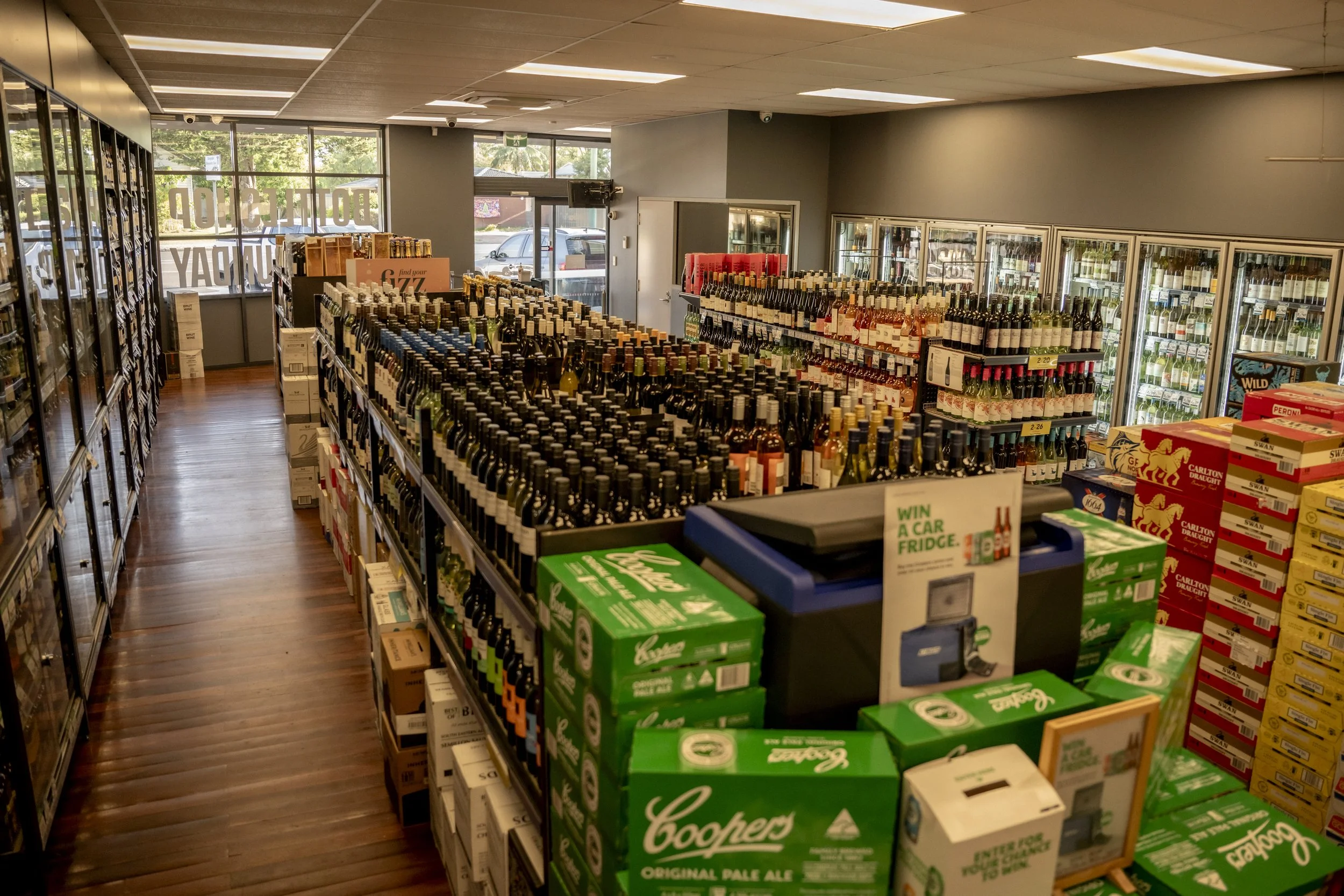
Brew Plus has a wide range of whiskies from Scotland, Ireland, Japan, America, and Australia, plus award-winning staff who genuinely know their spirits. The team can recommend bottles based on your flavour preferences, suggest whiskies for gifting or special events, and help you compare labels side by side in the store.
Whether you're buying your first bottle or expanding a collection, the Brew Plus team is ready to help you make sense of whisky labels and find something you'll love.
Ready to put your new whisky label knowledge to use? Contact our Busselton team and we'll help you find the right bottle for your taste and budget.
FAQs: Whisky Label Terms Explained
What does the age on a whisky label actually mean?
The age on a whisky label represents the age of the youngest whisky in the bottle. Even if the bottle contains whisky from multiple casks of different ages, the age statement must reflect the youngest component. This is a legal requirement in most whisky-producing countries.
What is the difference between single malt and blended whisky?
Single malt whisky is made at one distillery using only malted barley. It can include whisky from different casks and ages, but all from that single distillery. Blended whisky is a mix of malt whisky and grain whisky from multiple distilleries, crafted for consistency and often offering excellent value.
What does "cask strength" whisky mean?
Cask strength (or barrel proof) whisky is bottled at or near the strength it came out of the cask, with minimal or no water added. These whiskies often exceed 50% ABV and offer bold, intense flavours. Many drinkers add water themselves to open up the aromas and tailor the strength to their preference.
What does "non-chill filtered" (NCF) mean on whisky labels?
Non-chill filtered indicates the whisky hasn't been filtered at low temperatures to remove natural oils and proteins. This means the whisky may appear cloudy when chilled or diluted, but many enthusiasts believe NCF whisky retains more mouthfeel, texture, and flavour.
Can Brew Plus help me pick a whisky based on the label?
Absolutely. The team at Brew Plus can explain what different label terms mean, suggest options based on your taste preferences and budget, and help you choose whiskies for personal enjoyment, gifts, or event bars. Visit the store on Bussell Highway or get in touch to get personalised whisky recommendations.
