

Wine Cellar Building Guide: Expert Tips Using Selections from Your Local Wine Shop in Busselton
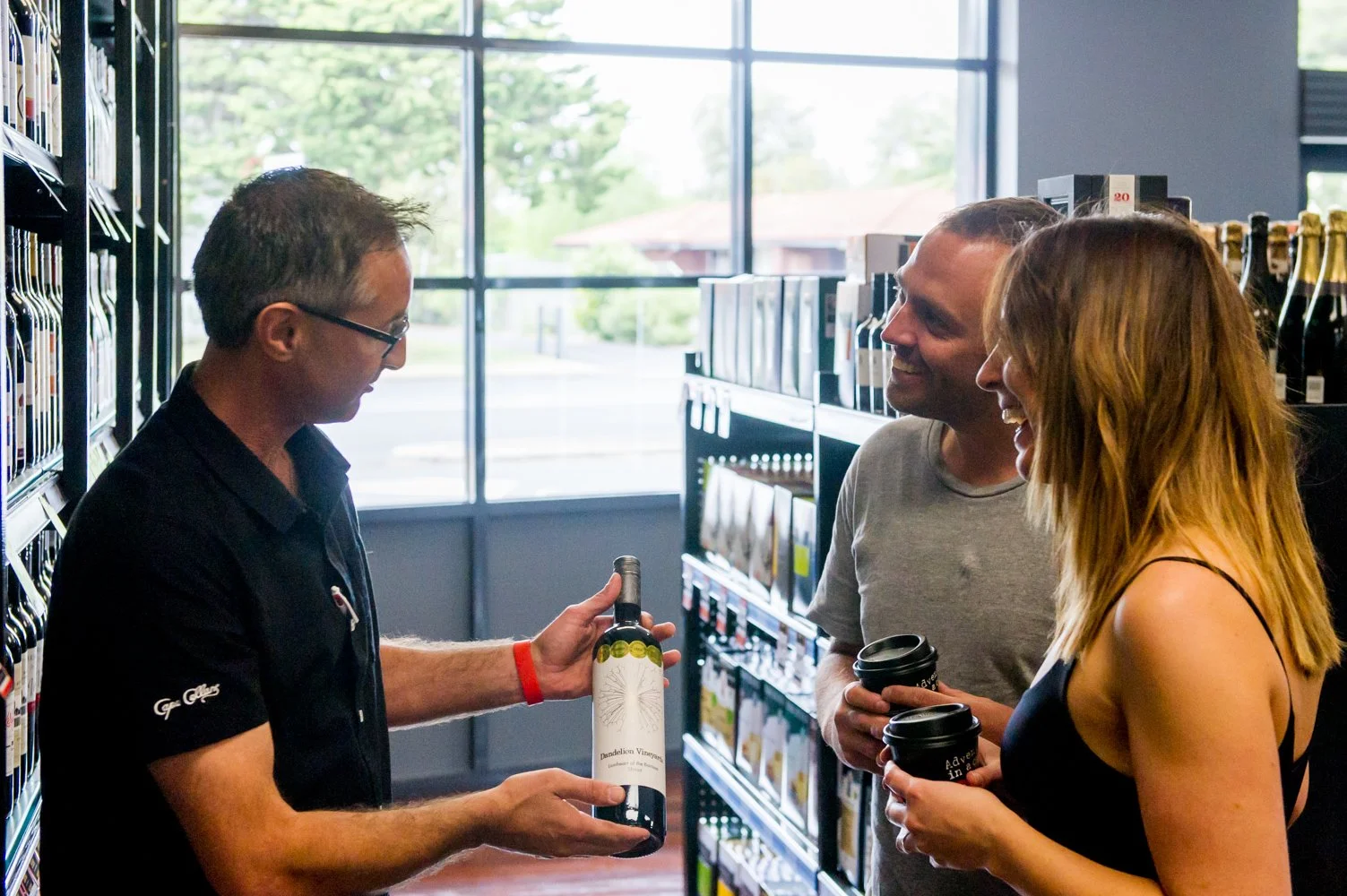
Looking to start or grow your home wine cellar? Here’s how to choose the right bottles, manage storage, and build a balanced collection—using selections from your local wine shop.
Building a Wine Cellar Is Easier Than You Think
You don’t need a sprawling underground vault or a multi‑thousand‑dollar system to start a wine collection. What you do need is a plan, patience, and the right bottles. And if you're in Busselton, you have a huge advantage: access to local wines, expert staff, and a trusted wine shop right on your doorstep.
At Brew Plus, we’ve seen time and again how beginners who begin with the right mindset end up with collections they’ll treasure for years. This guide will help you:
Define what kind of wine cellar you want (for drinking now, for ageing, or a mix)
Choose wines that are suited to your context (WA, Margaret River, national, international)
Source cellar-worthy bottles from your local wine shop
Store, organise, and grow your collection over time
Let’s get started, your first wine cellar doesn’t start with a huge budget. It starts with the right first few bottles.
Step 1 – Know Your Wine Cellar Goals
Before you start buying bottles, take a moment to define what you actually want from your wine cellar. Whether you’re collecting to drink, to age, or to gift, having clarity upfront will save you money, storage stress, and space.
Are You Collecting to Drink or to Age?
Not all wine cellars are built with ageing in mind, and that’s perfectly okay. Many collectors start out simply wanting a few great bottles on hand for the right occasion.
Ask yourself:
Do I want wines I can drink within 1–2 years? → Focus on ready-to-drink reds, crisp whites, and sparkling wines.
Do I want wines that will improve with time? → Look for age-worthy varietals like Cabernet Sauvignon, Shiraz, or dry Riesling.
At Brew Plus’s wine shop, our team can help you understand which bottles are meant to age, and which ones are best enjoyed fresh.
How Much Space Do You Actually Need?
You don’t need a sprawling cellar to start collecting. The right solution depends on your budget, space, and lifestyle:
| Storage Type | Ideal For | Pros |
|---|---|---|
| Wine rack | Small collections (10–20 bottles) | Affordable, space-saving |
| Wine fridge | Medium collections (20–100 bottles) | Temperature control, compact |
| Full cellar setup | Larger or long-term collectors | Custom conditions, higher capacity |
Pro tip: Even a 12-bottle wine fridge can be enough to build a solid foundation, especially in WA’s warmer climate, where stable temps matter.
What’s Your Budget? Start Small, Grow Smart
Don’t fall into the trap of thinking you need to spend thousands from day one. A smart cellar is built over time, with a mix of:
Everyday bottles ($15–$30)
Mid-tier age-worthy wines ($30–$60)
Special occasion or investment bottles ($70+)
Start with what you enjoy drinking and build outwards. Brew Plus regularly offers wine specials on both premium and budget-friendly wines, ideal for first-time collectors.
Step 2 – Choose the Right Wines to Start Your Cellar
Now that you’ve got a plan, it’s time to start stocking your cellar. The goal? Build a versatile, balanced collection that includes both wines you love and bottles that will evolve beautifully over time.
Reds That Age Well
Red wines are often the backbone of any cellar. Look for structured varietals with good tannins and acidity — these are the traits that help a wine mature gracefully.
Cabernet Sauvignon (especially Margaret River) – Dark fruit, firm tannins, long ageing potential
Shiraz – Spicy, bold, and often cellar-worthy for 5–15 years
Merlot – Softer than Cab Sav, but still ageable with the right structure
GSM Blends (Grenache, Shiraz, Mourvèdre) – Complex, layered, great for medium-term cellaring
Local favourites from Brew Plus:
Domaine Naturaliste Rebus Cabernet Sauvignon
Amelia Park Shiraz
Nannup Estate Rolling Hills Malbec
Whites That Can Cellar
Not all white wines are meant to be drunk young. Some styles age beautifully, developing richness and complexity over time.
Riesling – Especially from WA’s Great Southern region; look for dry styles
Chardonnay – Oaked Chardonnays from Margaret River are known to cellar 5–10 years
Semillon – Crisp when young, but becomes honeyed and complex with age
Local picks to consider:
Leeuwin Estate Prelude Chardonnay
Singlefile Great Southern Riesling
Lenton Brae Semillon Sauvignon Blanc (SSB) – Shorter cellaring, but great value
Sparkling and Fortified Wines
Champagne & Méthode Traditionelle Sparkling – High acidity and fine bubbles = long ageing potential
Aged Prosecco – Less common, but high-quality bottles can develop nuttiness with time
Tawny Port or Fortified Muscats – Some of the most age-worthy wines on earth
Cellar-friendly examples:
La Cache Blanc de Blanc (Margaret River traditional method sparkling)
Taittinger Brut Reserve NV
Woody Nook Nooky Delight
Step 3 – Sourcing Wines from Your Local Wine Shop
You don’t need to travel far or shop online to build a brilliant cellar. In fact, your best resource might be just around the corner. Busselton’s local wine shops, especially independent stores like Brew Plus, are perfect for finding quality bottles, expert advice, and regional gems.
Why Buy Local?
Buying from a local wine store offers real advantages:
Access to WA wines you won’t always find in national chains
Small-batch and boutique releases from family-run vineyards
Expert recommendations based on vintage, cellaring potential, and style
Fresh stock, meaning better storage conditions and ageing potential
Plus, you’ll often discover limited-release wines from top producers in Margaret River, Nannup, Frankland River, and the Great Southern.
Brew Plus Wine Recommendations for Cellaring
Here are a few cellar-worthy picks available at Brew Plus (based on recent stock and ongoing specials):
| Wine | Region | Varietal | Cellaring Potential |
|---|---|---|---|
| Domaine Naturaliste ‘Rebus’ Cabernet Sauvignon | Margaret River | Cab Sav | 8–15 years |
| Amelia Park Frankland River Shiraz | Frankland River | Shiraz | 6–10 years |
| Singlefile Great Southern Riesling | Great Southern | Riesling | 8–12 years |
| Leeuwin Estate ‘Prelude’ Chardonnay | Margaret River | Chardonnay | 5–8 years |
| La Cache Blanc de Blanc (traditional method sparkling) | Margaret River | Sparkling Chardonnay | 3–7 years |
Tip: Brew Plus staff taste many of these wines regularly and can offer honest, practical advice on what’s worth cellaring and what’s best for immediate enjoyment.
Take Advantage of Local Staff Knowledge
Not sure how long to age a wine? Curious whether a 2021 vintage will last longer than a 2022?
That’s where local expertise makes all the difference.
At Brew Plus, the team can help with:
Vintage advice (which years were best in WA)
Pairing suggestions if you want a “drink now” vs “save for later” approach
How to store your wine if you don’t have a cellar
Even better, they often know the winemakers personally, so you're not just buying a label; you’re tapping into real insight.
Step 4 – How to Store Wine Properly at Home
Even the best wine won’t age well without the right storage. Whether you’re keeping a few bottles or planning a full cellar, proper conditions will protect your investment, and your enjoyment.
Ideal Temperature, Humidity and Light
Here’s what every wine collector should aim for:
Temperature:
Aim for a consistent 12–15°C (ideal for both reds and whites).
Avoid fluctuation, it’s worse than being a few degrees too warm.Humidity:
60–70% humidity prevents corks from drying out.
Tip: If you live in a dry home or near the beach, monitor this with a hygrometer.Light:
Keep bottles away from direct sunlight and fluorescent lights.
Dark = better. UV rays degrade wine over time.Vibration:
Avoid constant shaking (e.g. on top of a fridge or next to a washing machine). Wine needs to rest.
Wine Racks vs Wine Fridges vs Dedicated Cellars
Not sure where to start? Here's a breakdown by budget and space:
| Storage Option | Pros | Ideal For |
|---|---|---|
| Simple Wine Rack (in a cool room) | Affordable, space-saving | Short-term storage (under 1 year) |
| Wine Fridge (Dual-Zone) | Controls temp/humidity, holds 20–150+ bottles | Small-medium collections |
| Dedicated Wine Cellar or Cabinet | Long-term ageing, custom setups | Serious collectors or home renovators |
Pro Tip: For Busselton homes, a wine fridge is often the smartest option due to warm summers and fluctuating conditions.
Labelling, Tracking and Organising Your Collection
Don’t just stack and forget. Keep your wines sorted and logged. It’ll save you money and help you enjoy bottles at their peak.
Simple tracking tips:
Use a wine app like Vivino or CellarTracker
Create a spreadsheet with:
Wine name
Vintage
Recommended drinking window
Purchase location (e.g. Brew Plus)
Notes after opening
Bonus: Label shelves by drink window – “Drink Now”, “Cellar Until 2028”, etc.
Step 5 – Building a Balanced, Enjoyable Collection
A great wine cellar isn’t just about age-worthy bottles or rare vintages. It’s about balance, a mix of styles, prices, and drink windows that suit your tastes, your lifestyle, and those impromptu Friday night dinners.
Mix Price Points and Wine Styles
You don’t need to fill your cellar with expensive wine. Instead, aim for variety:
Everyday wines – drinkable now, affordable ($15–$30)
Mid-tier bottles – perfect for dinner parties or gifts ($30–$60)
Special occasion wines – age-worthy, complex ($60+)
A bottle for every mood makes your cellar feel useful, not intimidating.
Include a range of styles:
Reds (shiraz, cabernet, grenache blends)
Whites (chardonnay, riesling, sauvignon blanc)
Rosé (fresh styles that drink well young)
Sparkling (for celebrations or light meals)
Fortified/dessert wines (great for winter or cheese boards)
Include Local, National and International Wines
A cellar that spans regions gives you depth and discovery:
Local WA wines: Margaret River cabernet, Frankland River riesling, Great Southern chardonnay
Australian classics: Barossa shiraz, Yarra Valley pinot, Clare Valley riesling
Imports: French Bordeaux or Burgundy, Italian reds, New Zealand pinot noir
Use your local wine shop, like Brew Plus, to explore new regions without overcommitting.
Refresh Your Collection Over Time
A wine cellar isn’t static. It evolves.
Revisit and replenish as you drink
Note what you love (and what you don’t)
Stay curious, try new vintages, varietals, or producers
Tip: Once a year, take stock. Set a small budget and ask the Brew Plus team what’s new and cellar-worthy.
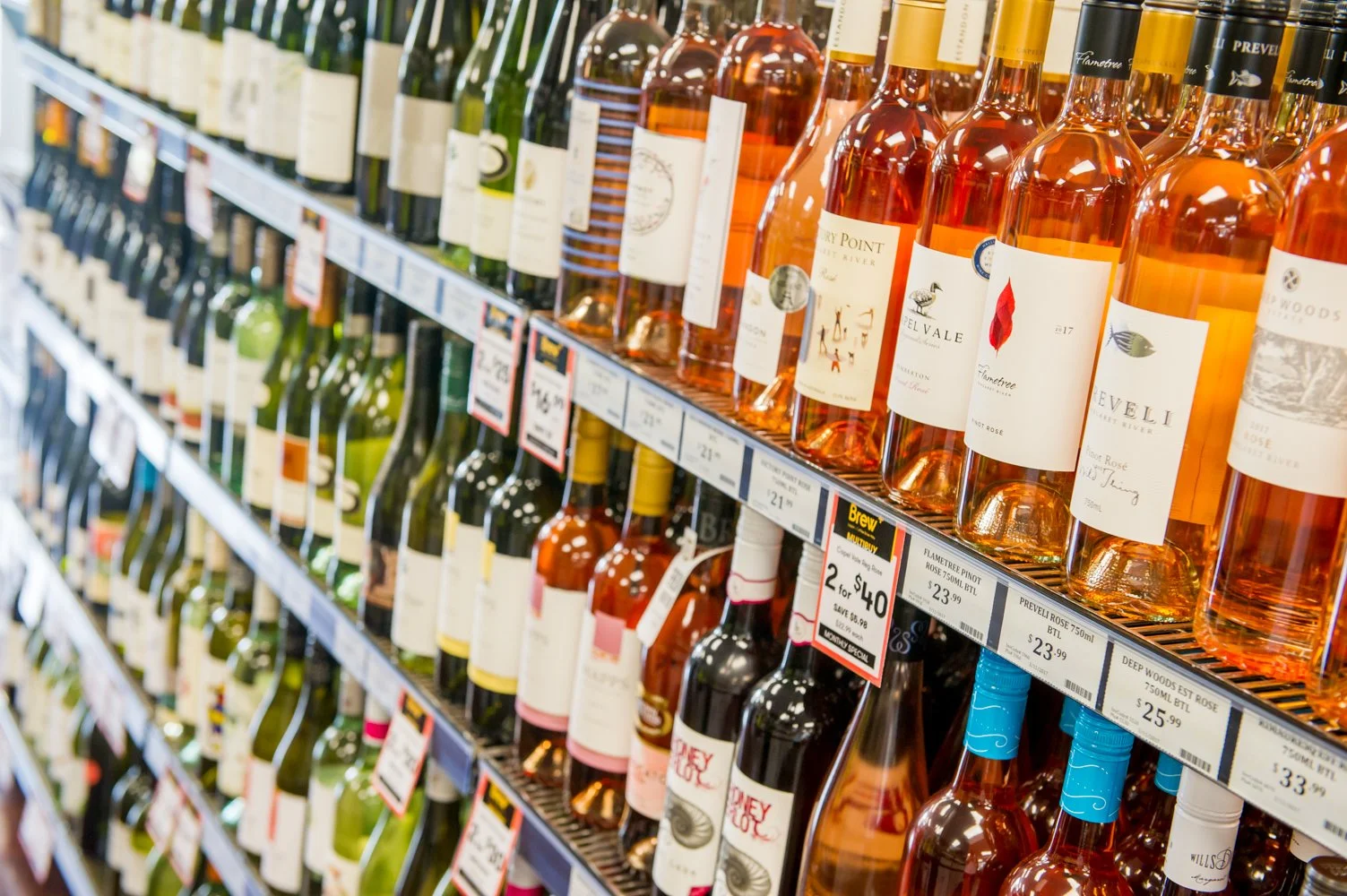
Conclusion: Start Small, Think Long-Term, and Shop Local
Building a wine cellar doesn’t have to be overwhelming, expensive, or reserved for experts. Whether you’re planning for long-term aging or just want a few great bottles on hand, the key is thoughtful planning, proper storage, and smart sourcing.
Quick recap:
Set clear goals for your cellar (drink now vs age)
Choose wines that suit your tastes and can evolve over time
Store bottles properly to protect their quality
Mix up your collection — by price, style, and region
Shop local at trusted wine shops like Brew Plus in Busselton for expert guidance and hidden gems
Want help getting started? Drop into Brew Plus, our team can recommend cellar-worthy bottles across all budgets and help you build a collection that’s uniquely yours.
FAQ’s
What’s the best way to start a wine cellar at home?
Start with a small, mixed collection of age-worthy red and white wines. Store them in a cool, dark place (ideally a wine fridge) and track what you buy. Ask your local wine shop for advice.
How do I know if a wine will age well?
Look for structure (tannins, acidity), higher-quality labels, and wines with cellar potential mentioned on the label or by staff. Red wines like cabernet sauvignon and whites like riesling often age well.
Can I build a wine cellar with local wines?
Absolutely. Many WA wines, especially from Margaret River and Great Southern, are perfect for cellaring. Look for cabernet, shiraz, riesling, and chardonnay.
Does Brew Plus sell wines suitable for cellaring?
Yes! Brew Plus stocks a range of cellar-worthy wines from both local producers and premium international brands. The team can help you pick based on your taste and storage goals.
What’s the ideal temperature for wine storage?
Between 12–15°C, with stable humidity around 60–70%. Avoid direct sunlight, heat, and vibration.
